In the fields of infrastructure construction, mining, and large-scale earthmoving projects, excavators are the core of productivity. For owners and contractors, equipment selection often becomes a simplistic trade-off between «price» and «brand,» overlooking the hidden factors that determine long-term profitability. The value of a high-quality excavator extends far beyond its initial purchase cost; it lies in its ability to consistently deliver stable output, controllable operating costs, and minimal downtime risk throughout the entire project lifecycle.
1. The «Hidden Value» Behind Core Specifications
When selecting a model, many users first focus on «tonnage» and «price.» However, for projects seeking long-term value, the following «hidden specifications» are more critical:
-
Hydraulic System Efficiency and Controllability: This directly determines operational efficiency and fuel economy. An advanced hydraulic system enables precise combined movements, maintaining smooth and efficient operation whether for accurate trench digging or large-scale bulk earthmoving. Efficient pump-valve matching can reduce unnecessary energy loss, leading to significant fuel cost savings for the same workload.
-
Durability and Reliability of Structural Components: Excavators work in harsh environments, putting the steel strength and welding quality of core structures like the boom, arm, and undercarriage to a severe test. Structural components made of high-strength steel with robotic automated welding processes can withstand long-term heavy-impact loads, reducing the risk of cracking and deformation. This significantly extends equipment service life and ensures high availability.
-
Maintenance Convenience and Commonality: A machine’s value is also reflected in how «easy it is to maintain.» A well-laid-out engine compartment, centrally located service points, and easy access to genuine or common parts can dramatically reduce daily maintenance and repair time, which is crucial for time-sensitive projects.
2. Scenario-Based Selection: How to Precisely Match Tonnage and Function?
Excavators of different tonnages correspond to different core application scenarios. Choosing the right tonnage is the first step to ensuring ROI.
-
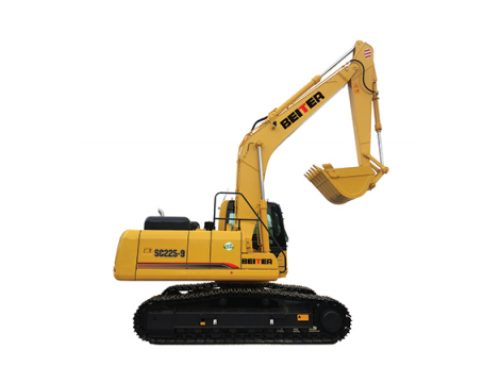
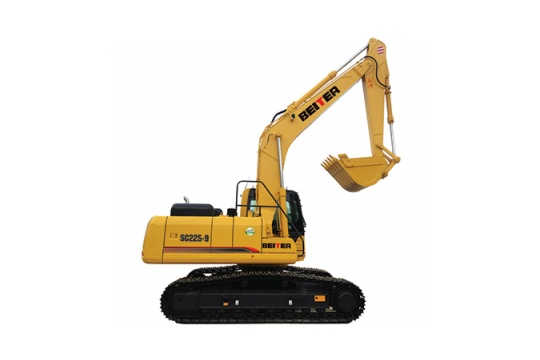
20-25 Ton Class (The All-Rounder King): This is the most active tonnage segment in the market, balancing flexibility, transport convenience, and sufficient power. It is ideal for municipal engineering, road construction, pipeline laying, and general earthmoving. Its excellent fuel consumption and widespread availability make operating costs and future disposal more advantageous.
-
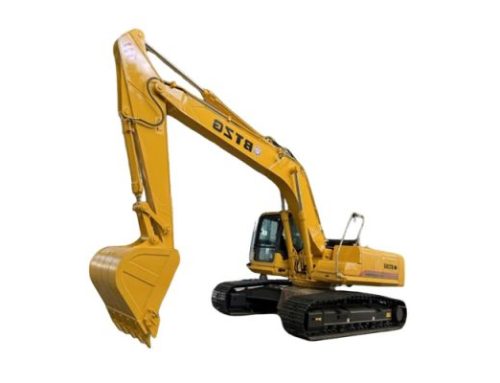
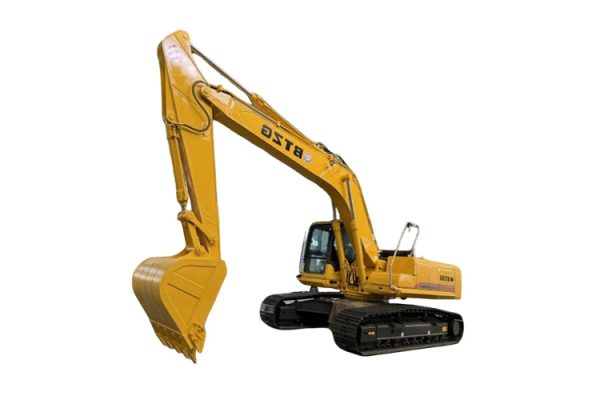
30-40 Ton Class (The Heavy-Duty Workhorse): These machines are the mainstay for heavy-duty applications like mining, rock loading, and large foundation excavation. They are typically equipped with larger buckets and greater digging force, aiming for maximum earthmoving volume per unit of time. For this class, focus on structural strength, cooling system reliability, and the ability to handle sustained high-load operation.
-
Special Configuration Needs: Depending on the specific project, configurations like long arms, rock buckets, or hydraulic quick couplers may be needed. A machine designed with rich interfaces and modification potential can better adapt to changing project requirements in the future.
3. Beyond the Machine: Total Lifecycle Cost Management
A wise investment decision is based on «Total Cost of Ownership» (TCO), not just the «purchase price.» This includes:
-
Operating Costs: Fuel consumption is the largest ongoing expense. Choosing a model with an efficient engine and intelligent power management technology can lead to long-term fuel savings that may far outweigh any initial price difference.
-
Maintenance and Repair Costs: Stable quality means lower failure rates and more predictable maintenance intervals. Using high-quality filters, oils, and following standardized maintenance procedures, while possibly slightly more expensive per instance, can effectively prevent major breakdowns and is more economical in the long run.
-
Residual Value: At the end of a project, the equipment’s remaining value (resale value) is a significant component of ROI. Brands and models with good market reputation, high reliability, and complete maintenance records typically command higher prices in the secondary market, thereby lowering the total cost over the ownership period.
4. How to Verify a Machine’s True Performance?
Before making a purchase decision, try to obtain the following information to verify performance:
-
On-site Inspection and Test Drive: If possible, visit a job site to observe the actual performance of the same model, or arrange a test drive to experience its controllability, power, and operator comfort firsthand.
-
Data and Case Studies: Request from the supplier fuel consumption data, availability reports, and customer case references for the model under similar working conditions. Real data is more convincing than any marketing claim.
-
Service System Evaluation: Understand the coverage, response time, parts supply capability, and technical training support of the supplier’s or manufacturer’s after-sales service network. Strong aftermarket support is the «insurance» for the machine’s long-term stable operation.

Leave A Comment