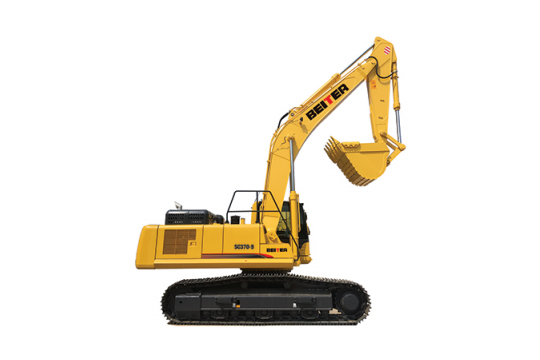
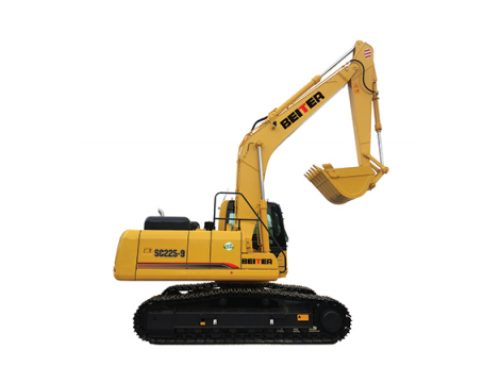
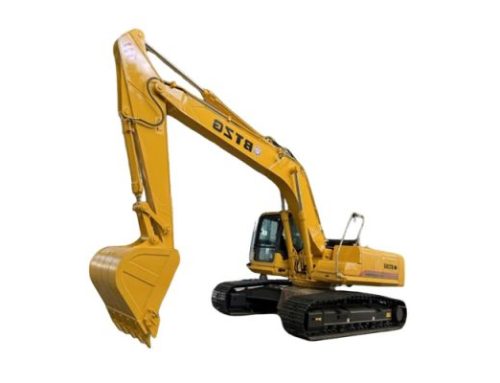
In the wave of global infrastructure development, the deserts of the Middle East, the mines of Africa, and the rainforests of Southeast Asia are becoming the stages where construction machinery demonstrates its true capabilities. For engineering contractors operating in these regions, choosing an excavator is not merely buying a piece of equipment; it’s choosing a partner capable of adapting to extreme environments while maintaining high productivity. The evolution of modern manufacturing technology, especially equipment that integrates proven management philosophies with advanced hydraulic systems, is redefining the standards for operations on international job sites.
1. Modern Expression of Ingenuity
In the heavy machinery sector, the inheritance of technology often ensures reliability. Some leading manufacturers deeply integrate the essence of management philosophies from top global brands, applying equivalent technology and principles like «Total Quality Management (TQM)» into their production lines. This commitment to quality transforms modern excavators from simple steel assemblies into finely-tuned industrial products characterized by high consistency and stability. This «standing on the shoulders of giants» approach ensures that equipment maintains strong performance when facing complex and demanding working conditions.
2. The «Intelligent Efficiency» Revolution in Hydraulic Systems
In an era of fluctuating fuel prices, fuel economy directly impacts project profitability. Modern medium and large excavators (e.g., 23-ton to 37-ton classes) widely utilize advanced technologies. These systems can automatically adjust output based on operational demands, enabling features like automatic idling and intelligent switching between high and low speeds. This not only significantly reduces fuel consumption but also extends the lifespan of core components like the engine and hydraulic pump by minimizing unnecessary energy waste. For users operating in remote areas, this «intelligent» system translates to lower maintenance needs and a higher return on investment.
3. The «Steel Body» Built to Conquer Extreme Environments
The fine sand of the Middle East and the rocky terrain of Africa pose ultimate challenges to equipment durability. To meet these demands, modern equipment incorporates targeted design enhancements:
-
Enhanced Cooling for High Temperatures: Upgraded cooling systems ensure machines do not overheat during continuous operation in tropical and desert climates.
-
Reinforced Undercarriage and Buckets: Strengthened rock buckets and heavy-duty undercarriages can withstand the high-impact and abrasive conditions typical of mining operations.
-
Multi-Dimensional Adaptability: Whether in wetlands, high altitudes, or deserts, optimized engine power matching ensures stable performance output.
4. Smart Construction Empowered by Digitalization
Modern construction equipment has entered the era of intelligent connectivity. Integrated intelligent fault diagnosis systems in the operator’s cab act as an onboard «smart engineer,» providing immediate maintenance guidance at the first sign of trouble, drastically reducing downtime. Coupled with highly reliable GPS and IoT technology, equipment owners can remotely monitor the machine’s real-time location, operational status, and fuel consumption data via smartphone or computer, even from thousands of miles away. This transparent management approach effectively addresses common industry pain points in overseas asset management and fuel monitoring.
Conclusion
From road construction in Lagos to infrastructure booms in Southeast Asia, an excellent excavator must possess the combined qualities of being «robust and durable, fuel-efficient and productive, and intelligently manageable.» As engineering machinery manufacturing technology continues to advance, equipment that successfully blends international advanced concepts with localized innovation is solidifying its role as a cornerstone supporting economic development in emerging markets worldwide.

Leave A Comment